
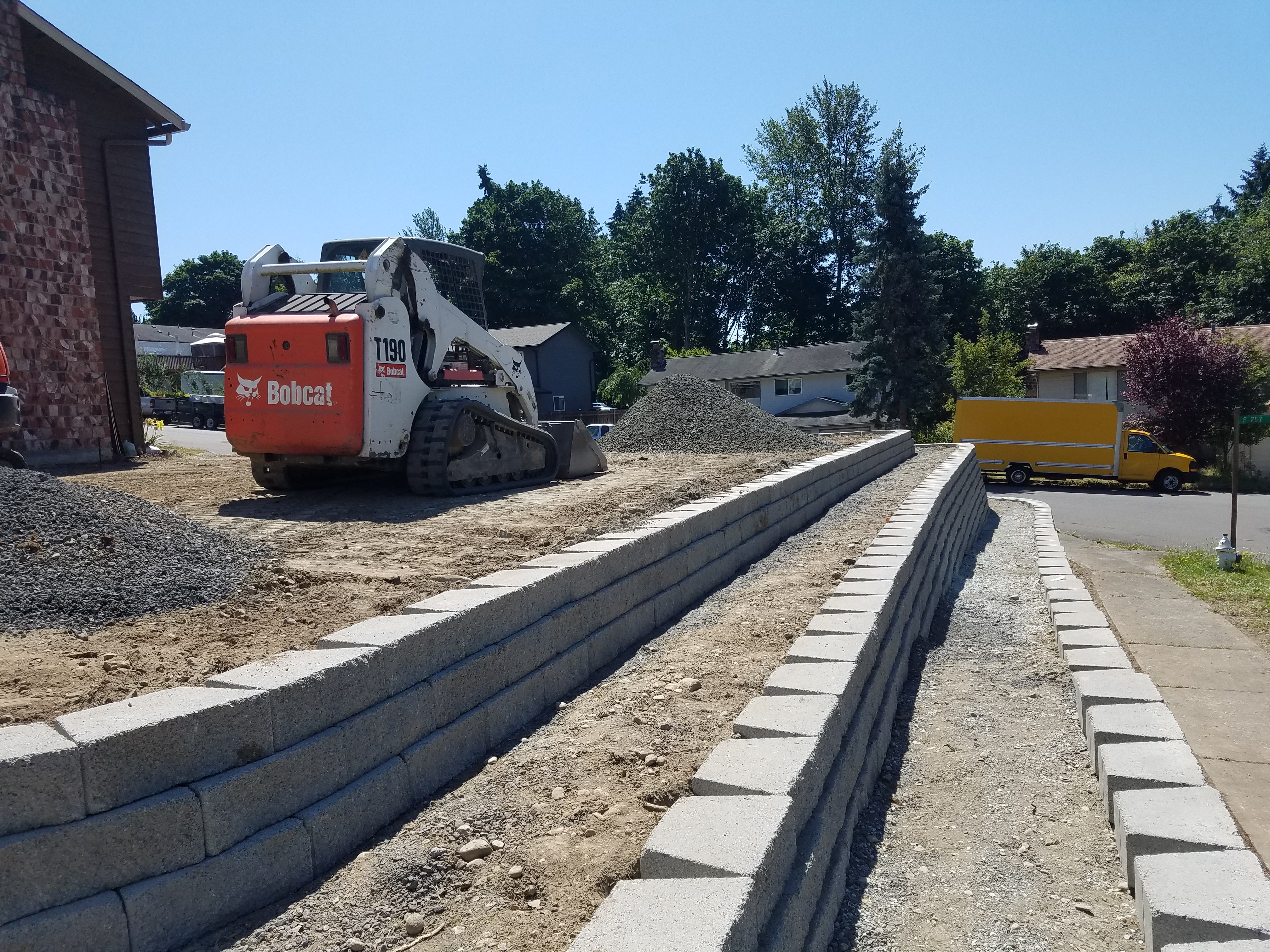
Introduction: The Basics of Exterior Wall Construction
Exterior wall construction is a critical component of any building project, providing critical structural support and contributing to the building’s overall thermal performance. It is the barrier that shields you from the outside elements, offers insulation, and ensures the integrity and durability of your home or property. Understanding the intricacies of exterior wall construction can help homeowners and property owners make informed decisions about their projects, ensuring long-term satisfaction and optimal performance.
When Exterior Wall Construction is Needed
Exterior wall construction is a fundamental part of new building projects, but it is also required for additions, renovations, or when existing walls have suffered significant damage and need replacement. Signs that your exterior walls may need reconstruction include extensive water damage, structural instability, and excessive heat loss.
Key Considerations for Genesee, West Seattle
In Genesee, West Seattle, a number of local factors can influence the process and choices in exterior wall construction. The moist maritime climate necessitates materials and techniques that resist water damage and offer excellent insulation. Our local soil types, often clay or sandy, may also affect the foundation and, in turn, the wall construction. Local building regulations are another crucial consideration, ensuring that your construction project adheres to Seattle's safety and sustainability standards. Typical property characteristics, such as the prevalence of older homes and the hilly terrain, can also impact the construction process.
Understanding the Process: Exterior Wall Construction Step by Step
The process begins with the design phase, where considerations like insulation needs, material choice, and local building codes come into play. Following this, the site is prepared and the foundation is laid. Framing of the exterior walls comes next, followed by the installation of sheathing, a protective layer that adds rigidity to the structure. Then, a weather-resistant barrier is applied, followed by exterior cladding, which can range from brick to wood or vinyl siding. Lastly, insulation is added and interior surfaces are finished.
Important Questions to Ask
Before embarking on an exterior wall construction project, property owners should ask questions like: What materials will best suit my property and climate? How can I optimize for energy efficiency? How will local regulations impact my project? What kind of maintenance will my exterior walls require? How long can I expect the construction process to take?
Common Challenges and Solutions
Common challenges in exterior wall construction include weather-related delays, unexpected site conditions, or complications related to existing structures. Solutions typically involve adjusting the construction schedule, employing specialized techniques or materials, or working with local authorities to address regulatory concerns.
Timeline and Planning Factors
The timeline for exterior wall construction can vary widely, depending on factors such as the project's size, complexity, and the specific conditions of the site. Other considerations include the availability and delivery of materials, weather conditions, and unforeseen challenges that may arise during construction.
Regulatory Requirements in Seattle
In Seattle, exterior wall construction must adhere to local building codes and pass inspections to ensure safety and compliance. This might involve obtaining permits, submitting to regular inspections, and working with certified professionals. Property owners should familiarize themselves with these requirements or work with knowledgeable professionals who can navigate the regulatory landscape.
Understanding the details and complexities of exterior wall construction is crucial for any homeowner or property owner planning a construction project. By asking the right questions, knowing what to expect, and being aware of the unique considerations in Genesee, West Seattle, you can make informed decisions that benefit your property in the long run.